
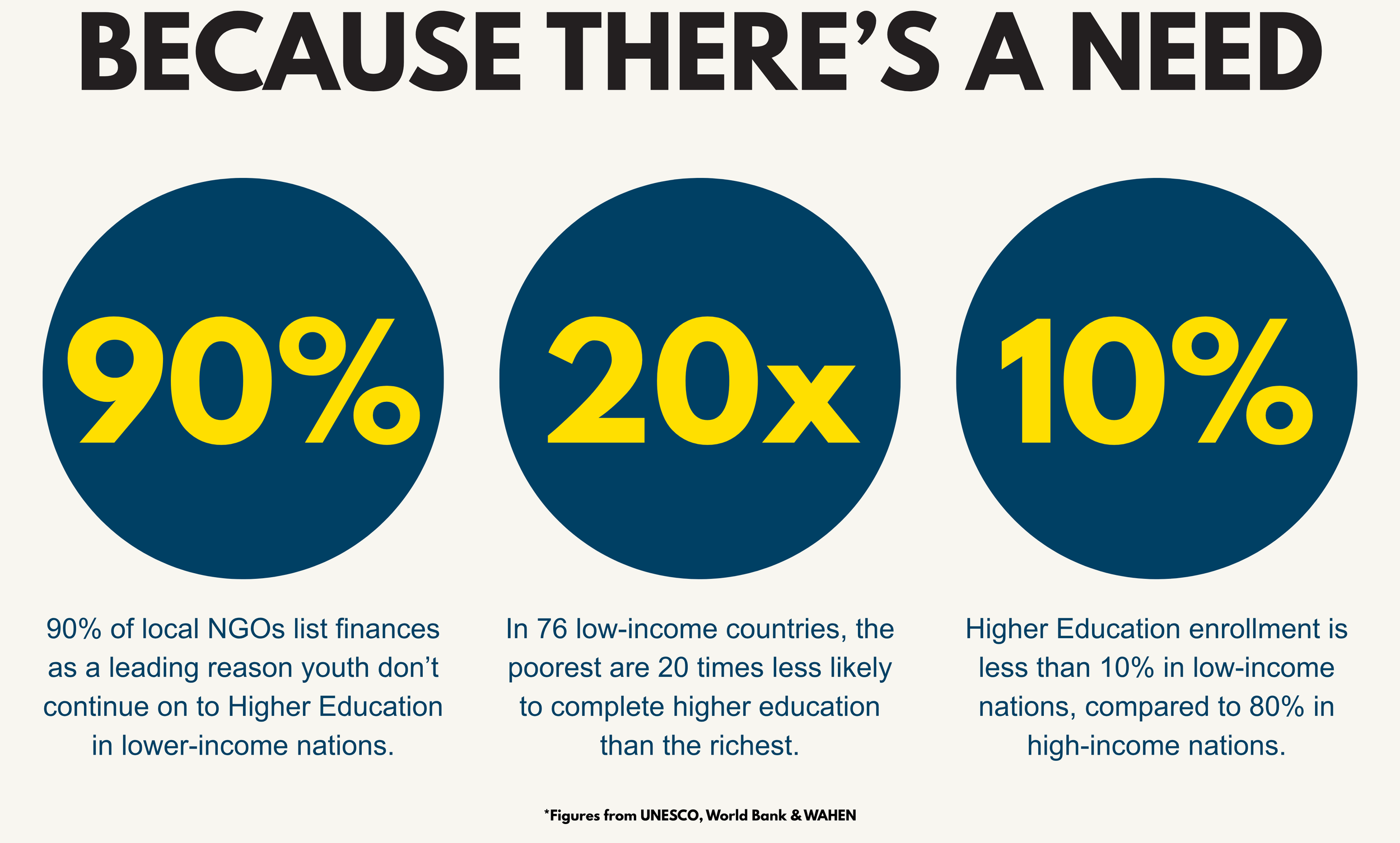
ATHEFA (Access To Higher Education For All) is an ambitious organization with a simple goal: to improve access to higher education for disadvantaged youth in lower-income nations.
The problem is not a lack of ambition or ability — it is unequal access. Around the world, capable young people are ready to continue their education, but tuition, supplies, housing, transport, and other basic costs can place higher education out of reach.
ATHEFA provides tailored scholarships through trusted local partners, helping first-generation students access higher education. Using a partnership-driven, low-overhead model, we promote bottom-up development while ensuring donor support reaches the students and communities it is meant to serve.
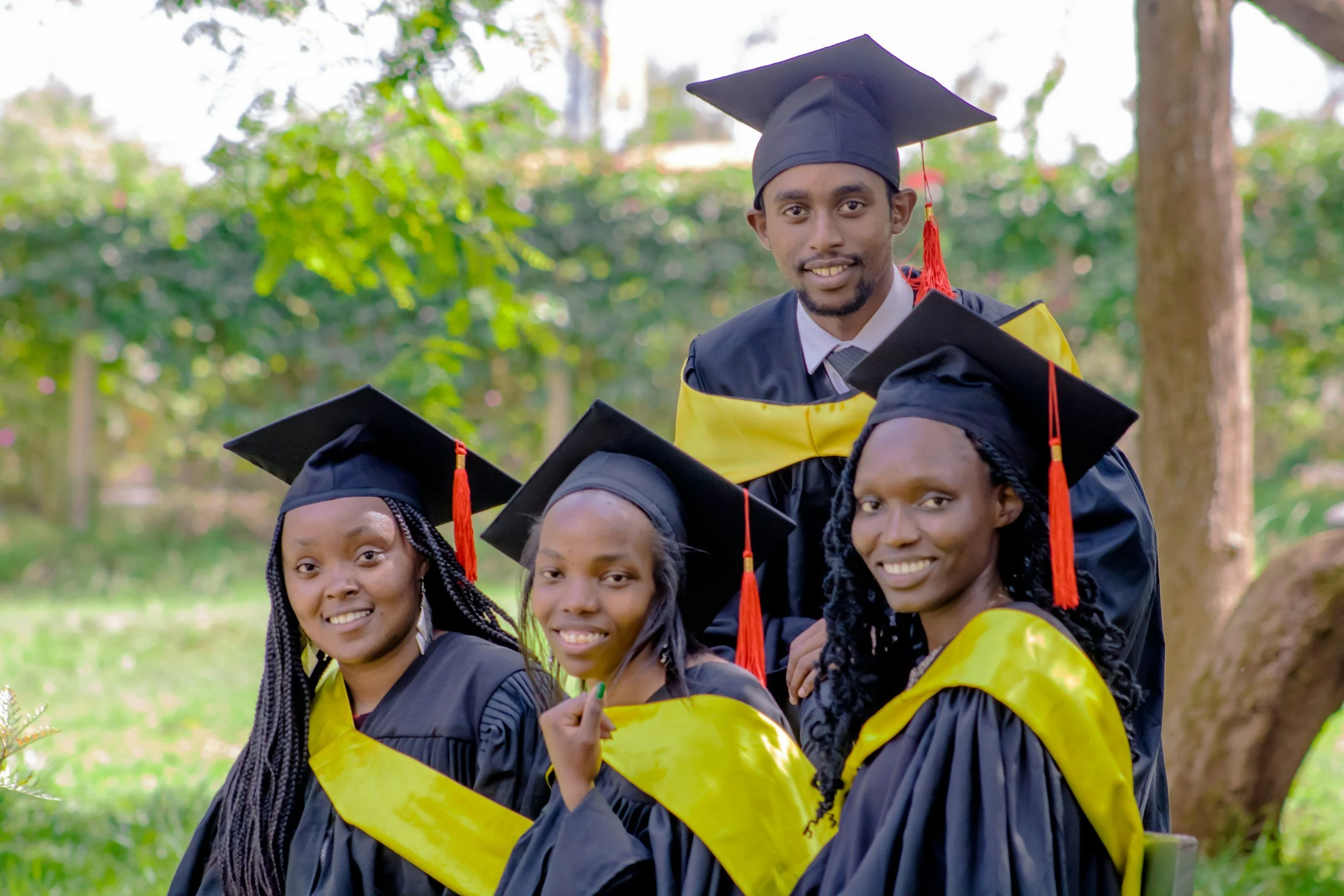
Our Scholarships
ATHEFA scholarships are designed to create the highest possible impact for both students and donors. Rather than offering a one-size-fits-all award, each scholarship is tailored to the student’s specific needs, allowing funds to be used with greater care, precision, and purpose.
This means support can go where it is needed most — whether that is tuition, study materials, or essential living costs — so students have a stronger chance not only to enroll, but to graduate.
What makes ATHEFA different is how students are reached and supported. Scholars are nominated by trusted, locally operated Partner Organizations, allowing us to consider applicants from a wider network of communities rather than a single school, program, or organization. This helps funding reach first-generation students with genuine need, strong potential, and a realistic pathway to higher education.
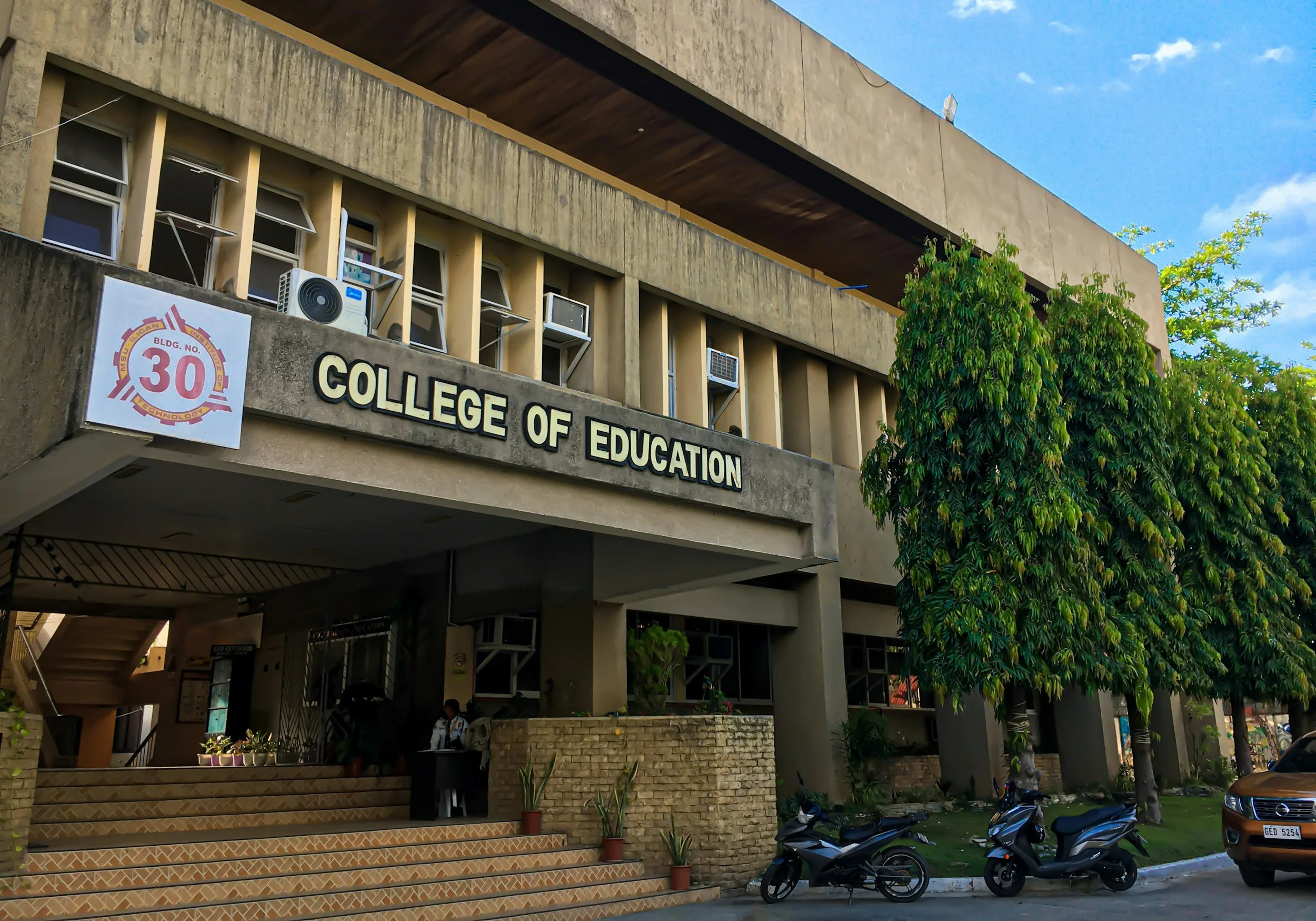
Wherever possible, ATHEFA prioritizes local and regional higher education. We are not focused only on the most prestigious institutions or the most internationally mobile students; we support practical, quality degree pathways that allow students to study close to home, reduce brain drain, and contribute to local growth.
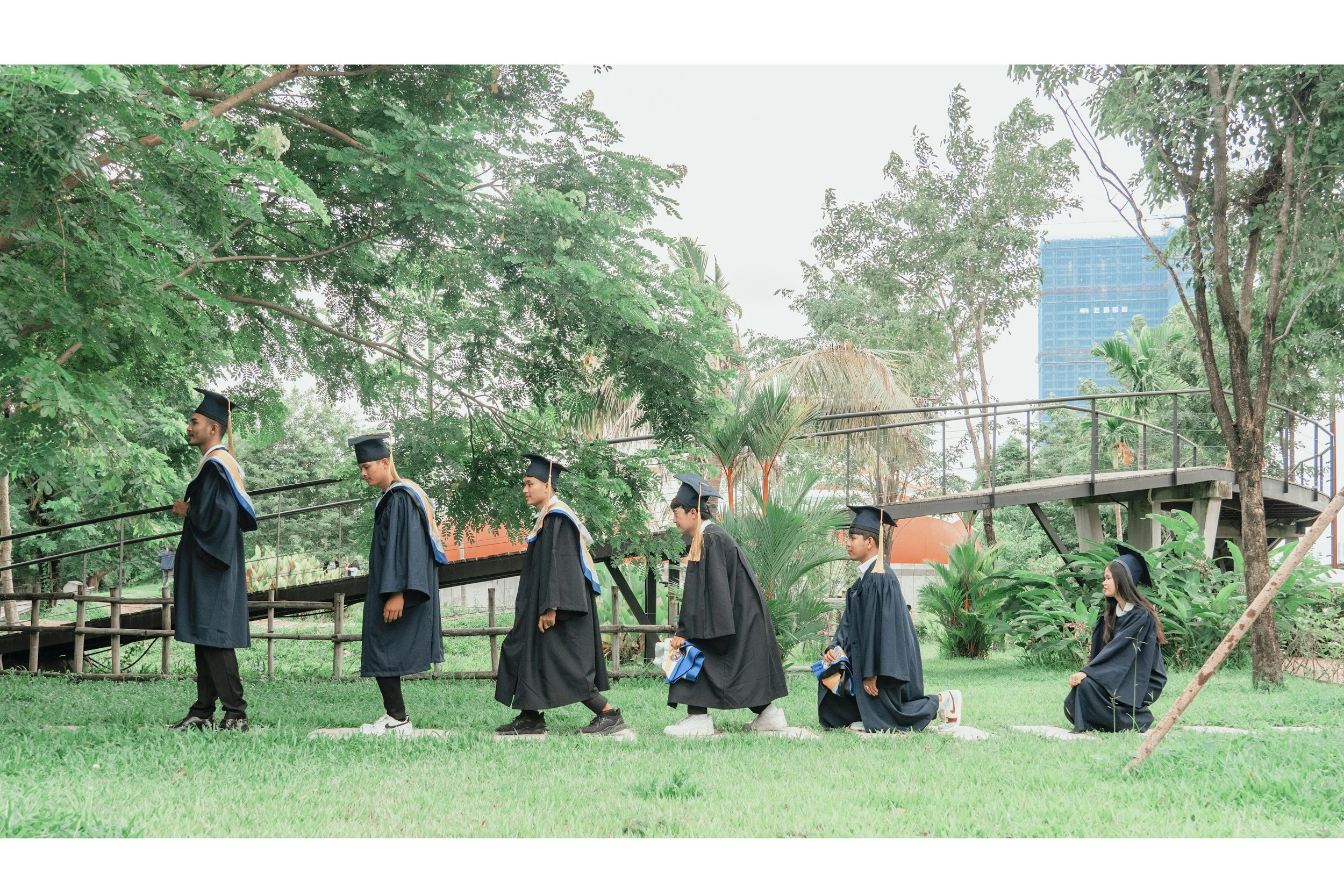
Higher education can make a difference not only in a student’s life, but in the lives of their family, community, and beyond.
Higher education attainment can significantly improve economic mobility by opening pathways to employment and expanding the knowledge needed to start a business.
But its impact goes beyond the obvious. When students gain access to higher education, they bring knowledge, skills, and opportunity back into their communities, strengthening their ability to solve problems from within.
It also has the power to create lasting social change, introducing individuals to new concepts, experiences, and connecting like-minded individuals looking to improve the world they live in.
Why Higher Education?
Small Beginnings, Big Plans
While scholarships are our foundation, ATHEFA’s long-term vision goes further: making higher education a practical international development tool for communities too often left behind.
In many places, tuition support alone is not enough. Students may live hours from the nearest suitable institution, face unsafe or unaffordable housing options, or have limited access to quality degree programs in their field. In areas affected by conflict or instability, local higher education systems may be overwhelmed or temporarily unable to meet student need.
With greater funding, ATHEFA can expand scholarships into more countries, support regional study-abroad pathways where local options are unavailable, and develop student residences that make higher education more accessible for rural youth.