
Why Higher Education?
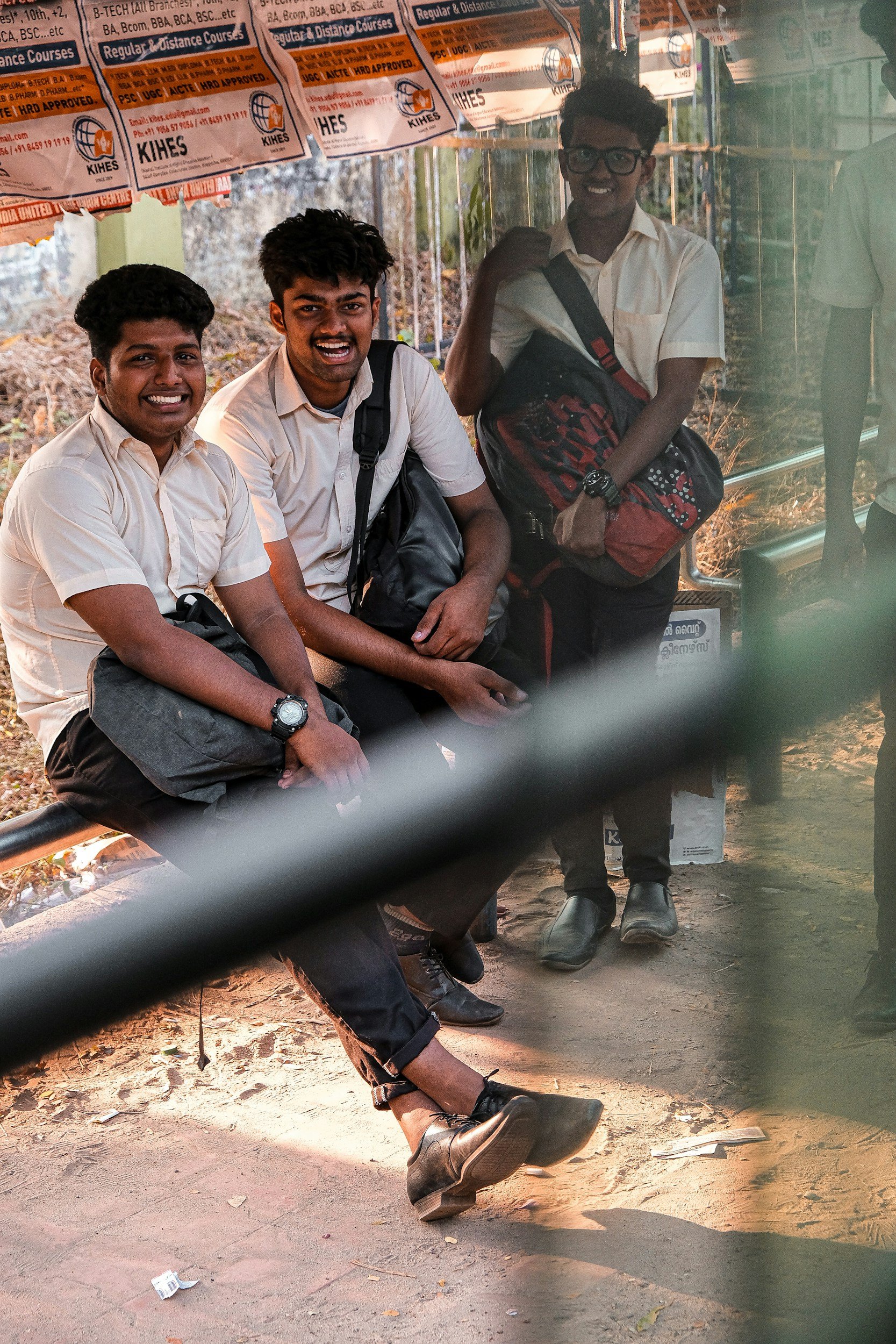
Why is ATHEFA so passionate about Higher Education access as a mission?
First, it’s heavily underserved in the international development landscape. While many NGOs and other organizations are committed to primary and secondary education, almost none focus on higher education. Some implement these as auxiliary programs, while others with this focus have a strict geographic focus, elite selection criteria, or are overly accessible, leaving the most in need behind.
There’s just not enough, even with existing programs and organizations; the attainment gap is still massive. Our goal is to supplement other organizations’ efforts and fill gaps in a highly underfunded and often forgotten part of education in developing nations.
We, of course, realize that not every youth wants or needs access to higher education. But we do believe it should be an accessible and acceptable pillar of development through education.
And it’s not just us.
“Substantially expand globally the number of scholarships available to developing countries, in particular least developed countries, small island developing States and African countries, for enrolment in higher education”
But what does Higher Education actually do?
We’re so glad you asked! Because it’s a lot.
ECONOMIC MOBILITY
Higher education can open doors to employment, higher earning potential, and greater financial stability. For many students, especially those who are the first in their families to attend higher education, a degree or professional qualification can create opportunities that might not otherwise be available.
This impact often reaches beyond the student. When one person gains access to better employment or expanded career options, they may be able to support their family, contribute to household stability, and create new possibilities for younger siblings or future generations.
WORKFORCE BUILDING
Higher education can also help build the skilled workforce that communities, organizations, and local economies need to grow. Graduates can become teachers, health workers, entrepreneurs, business leaders, nonprofit professionals, public servants, and community advocates.
By investing in students, ATHEFA is also investing in the future leadership and workforce of their communities. Each scholarship has the potential to support not only one student’s education, but also the businesses, institutions, families, and communities that benefit from that student’s skills and contributions.
SOCIAL AWARENESS
Higher education can give students access to new ideas, perspectives, and ways of understanding the world around them. It can strengthen critical thinking, problem-solving, communication, and confidence, helping students better understand both the challenges facing their communities and the tools available to address them.
This awareness matters. Students who are supported through higher education often return to their families and communities with broader knowledge, stronger networks, and a greater ability to advocate for themselves and others.
BOTTOM-UP DEVELOPMENT
ATHEFA believes sustainable development should not come solely from external organizations or top-down solutions. When local students are supported in gaining higher education, they are better positioned to bring knowledge, skills, and leadership back into their own communities.
This bottom-up approach helps communities build capacity from within. Rather than removing talent from local contexts, ATHEFA’s model focuses on helping students access education that can strengthen their ability to contribute locally, support community needs, and create long-term change where they already have roots.